Featured Stories
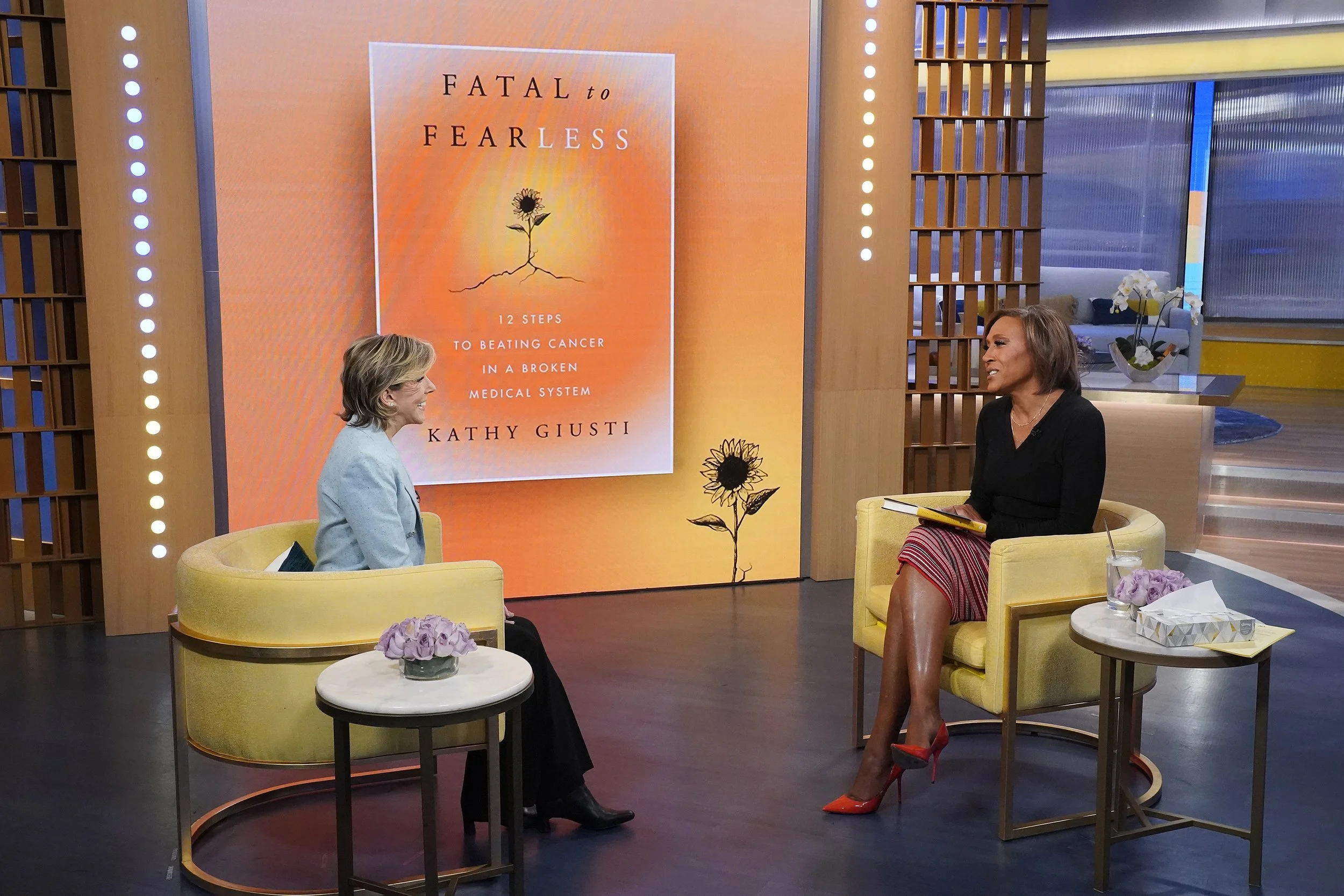
Two-time cancer survivor who founded the MMRF discusses her new book, which provides a guide for dealing with a cancer diagnosis.
Kathy Giusti tells Katie all about Fatal to Fearless and the steps patients need to take to navigate our “broken medical system.”
What NOT to Do When Diagnosed With Cancer with Kathy Giusti, author of Fatal to Fearless
Media & Content
(STAT News) —Diagnosed with cancer, a pharmaceutical executive became a patient advocate and changed drug development. It took decades
(Kathy Giusti for Katie Couric Media) — How To Move Forward After Cancer Treatment. Use what you’ve learned and take charge of your health and life.
(Kathy Giusti for Katie Couric Media) — How To Cope With a Cancer Diagnosis in 3 Crucial Steps. More than 25 years ago, I waited impatiently for my doctor to call me back with news I probably had a rare and fatal blood cancer called multiple myeloma.
(The Cancer Letter) —Kathy Giusti’s “Fatal to Fearless” memoir tells the story of prevailing over multiple myeloma
(USA Today) —Learning how to fight rather than fear cancer: A battle-hardened expert offers advice
(Kathy Giusti for Katie Couric Media) — Here’s The Most Important Question to Ask Yourself After a Cancer Diagnosis
(USA Today) — After Judith Harding was diagnosed with multiple myeloma in 2009, she decided to retire, sold her condo, dropped out of her PhD program and moved nearer to her family, preparing to "live out my last days."
(Washington Post) — Audrey Greene, a retired sales agent from Long Neck, Del., celebrated her 80th birthday in March. Diagnosed in 2010 at age 68 with multiple myeloma, a cancer that attacks the white blood cells and has always had a dire prognosis, she didn’t expect to live past her early 70s. She was wrong.
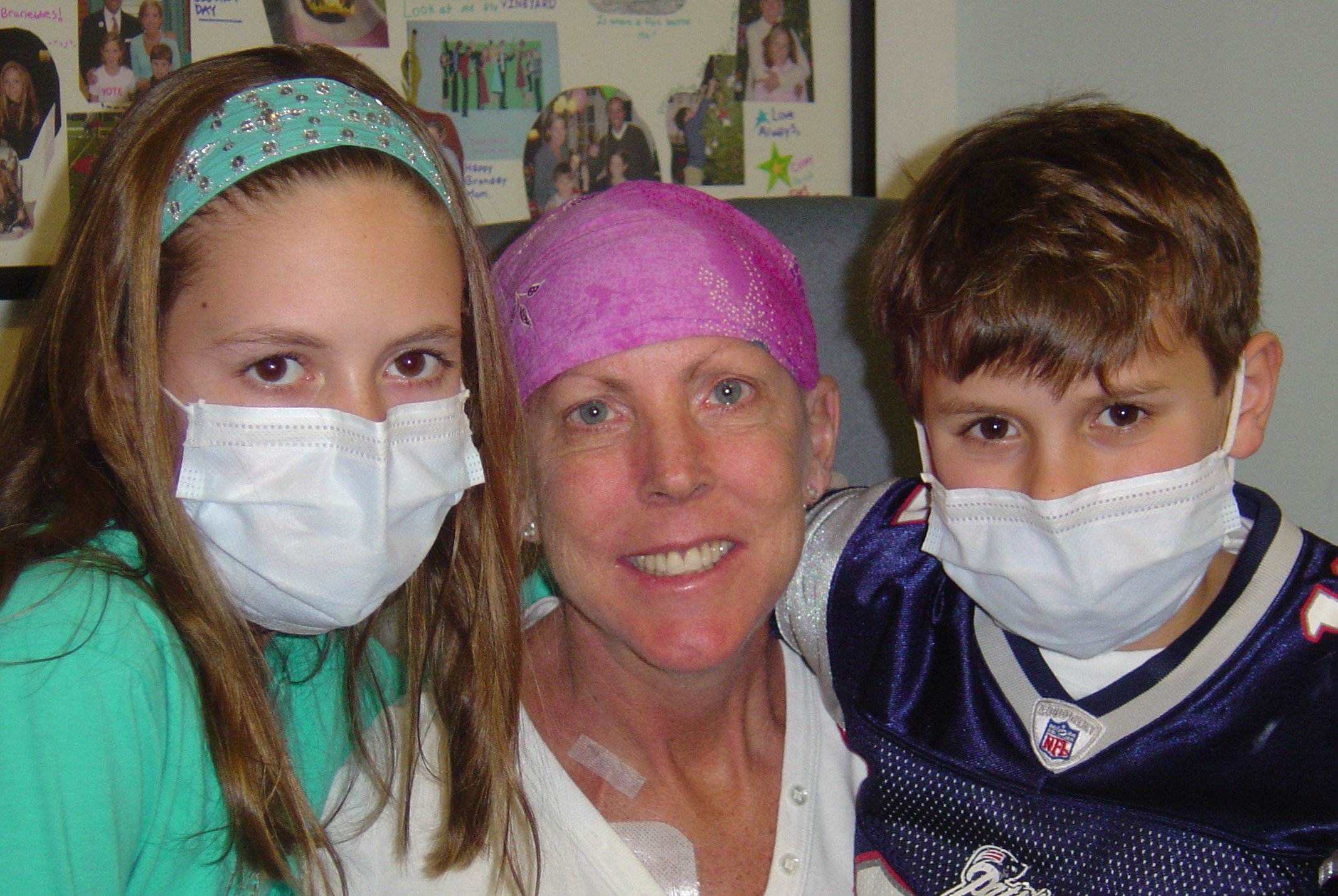
(Fortune Well) —At age 37, Kathy Giusti was happily married with a 1-year-old when she heard the grim phrase from her doctor: “You have cancer.”
“The word hits you like a sucker punch. The fear and anguish are immediate for you and those that love you,” Giusti says. “And worse, nothing prepares you for this. You don’t know where to turn.”
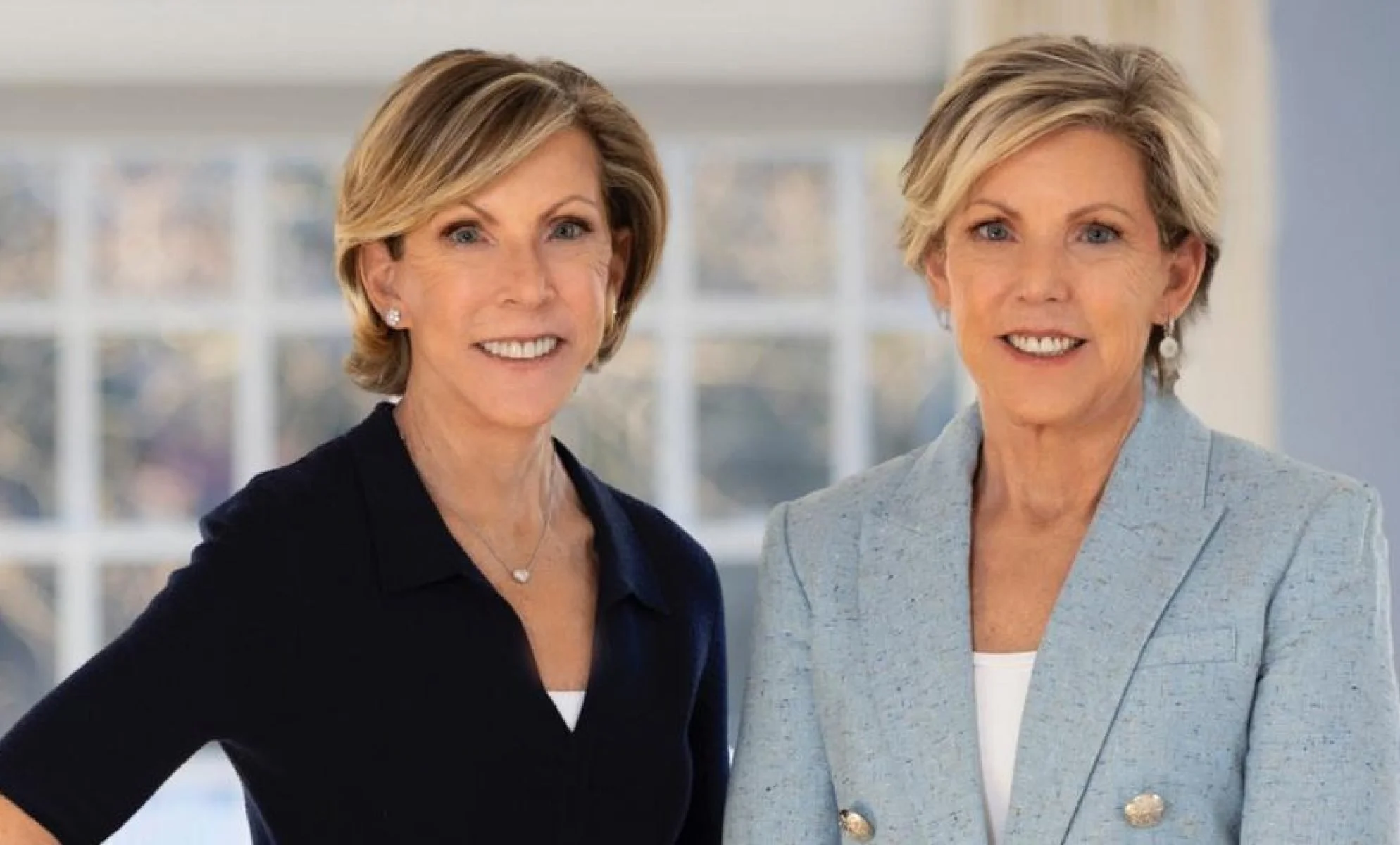
(Prevention) — I expected to be diagnosed with breast cancer ever since my identical twin sister Karen started treatment for the disease seven years ago. It was only a matter of time. And while I wasn’t happy to hear the words, I felt ready for the fight—again.
(The Hill) — Underrepresentation of racial minorities in clinical trials for cancer and other diseases isn’t new; there has been a significant dearth in the representation of minorities in oncology trials for years.
(Harvard Business Review) — Cancer is the second-leading cause of death in the United States, but there are significant disparities by race and ethnicity. While the rate of new cases is similar for white and Black patients, the death rate for Black cancer patients continues to be higher (173 per 100,000 people) than for white individuals (153 for white individuals).
(AARP) — Beating the odds on multiple myeloma for more than 25 years makes Kathy Giusti, of New Canaan, Connecticut, much more than a survivor. She is a warrior and a miracle woman, which means she knows how to fight back. So, when she was diagnosed with early-stage breast cancer in January, she knuckled down and put on her boxing gloves, determined to beat that one too. But as Kathy has learned over the past 25 years, this is a fight you can’t do alone.
(CNN) — Over the last year, people have made so many sacrifices to protect their health, from taking care of kids amid school closures to staying isolated from our elderly loved ones. Concerns about family health have driven many of us to great lengths to ensure we stay safe during this public health crisis.
(Health) — After being diagnosed with multiple myeloma, Kathy Giusti started the Multiple Myeloma Research Foundation (MMRF), a nonprofit organization, to help accelerate the search for a cure.
(Time) — Each year, more than 1.7 million people in the United States hear three dreaded words: You have cancer. As common as cancer is, no one expects cancer to happen to them.
(Forbes) — In 1996, Kathy Giusti, then a 37-year-old pharmaceutical sales exec with a new baby, was told she had a blood cancer called multiple myeloma and three years to live. She refused to act like her life was over. “I decided I was going to live like I was going to live, not like I was going to die," she says.
(Harvard Business Review) — Organizations striving to find new ways to attack cancer have much to learn from direct-to-consumer (DTC) companies. Specifically, they can profit from DTC firms’ expertise in persuading their customers to provide and share their data. This is something many cancer patients don’t do because they are unaware of the data’s importance or their power to instruct institutions to share it.